Best Boat Upholstery Material Ideas for Stunning Marine Interiors
Marine interior design has entered an interesting period of change. Boat owners increasingly expect their seating to look sophisticated while also performing under demanding conditions. Sunlight, moisture, saltwater, and constant use can quickly expose weaknesses in ordinary materials. As a result, the boat upholstery material selected for a project can influence far more than the appearance of a few cushions. It can shape comfort, maintenance, durability, and the overall character of a vessel. Boat Upholstery Broward specializes in professional upholstery for boats and yachts, helping owners develop interiors that balance design and practical performance.
Marine Interiors Are Becoming More Individual
Traditional marine interiors often relied on familiar combinations of white, blue, and neutral colors.
Today, owners have much greater freedom. Modern materials allow designers to experiment with textures, contrast, stitching, and color without sacrificing practicality.
This shift reflects a broader trend toward personalization.
A boat can now have an interior that feels more like a carefully designed living space while still meeting the demands of life on the water.
Texture Is Changing the Way Seating Looks
Color is only one part of a modern interior.
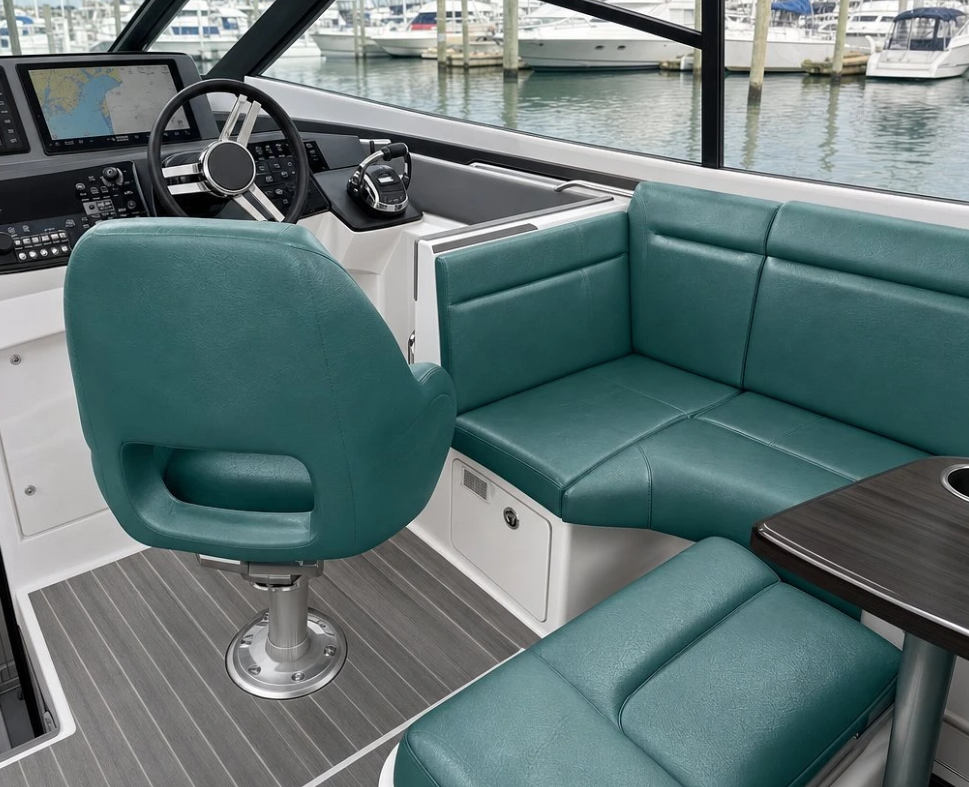
Texture can give seating greater visual depth and make individual sections stand out. Subtle grain patterns can create an understated appearance, while contrasting textures can add a stronger design statement.
A carefully selected boat upholstery material can therefore become part of the visual language of the entire vessel.
The most successful combinations usually maintain balance rather than relying on too many competing finishes.
Neutral Palettes Remain Strong
Trends may change, but neutral colors continue to work well in marine environments.
Soft white, cream, beige, and light gray can make a cabin or cockpit appear brighter. They also provide a flexible background for darker accents.
Navy, charcoal, and deep blue can add definition around the edges or across selected panels.
This combination creates a contemporary coastal aesthetic without becoming overly dependent on a short lived trend.
Comfort Is Becoming a Design Priority
Modern marine design increasingly recognizes that appearance alone is not enough.
Passengers may spend hours seated during cruises, fishing trips, and social gatherings. Poorly supported cushions can quickly become uncomfortable.
Foam density, cushion thickness, contour, and support all influence the experience.
When a durable boat upholstery material works together with properly constructed cushioning, owners can improve both the visual and physical qualities of the seating.
Marine Performance Still Comes First
A stylish interior must withstand its environment.
Open seating can receive direct sunlight, rain, saltwater spray, and frequent passenger traffic. Interior cushions may have more protection but still encounter humidity and spills.
For this reason, owners should evaluate materials according to practical characteristics such as:
- UV resistance
- Moisture resistance
- Color retention
- Abrasion resistance
- Ease of cleaning
- Resistance to mold and mildew
These features can help an interior maintain its appearance over time.
Two Tone Seating Creates Stronger Contrast
Two tone designs have become a popular way to introduce personality.
A light central panel can contrast with darker side sections. Alternatively, a neutral cushion can feature a bold border or colored insert.
This technique provides several advantages.
It can emphasize the shape of the seating, break up large surfaces, and create a custom appearance without overwhelming the interior.
The right boat upholstery material can support these combinations while maintaining consistent performance.
Stitching Is No Longer Just Functional
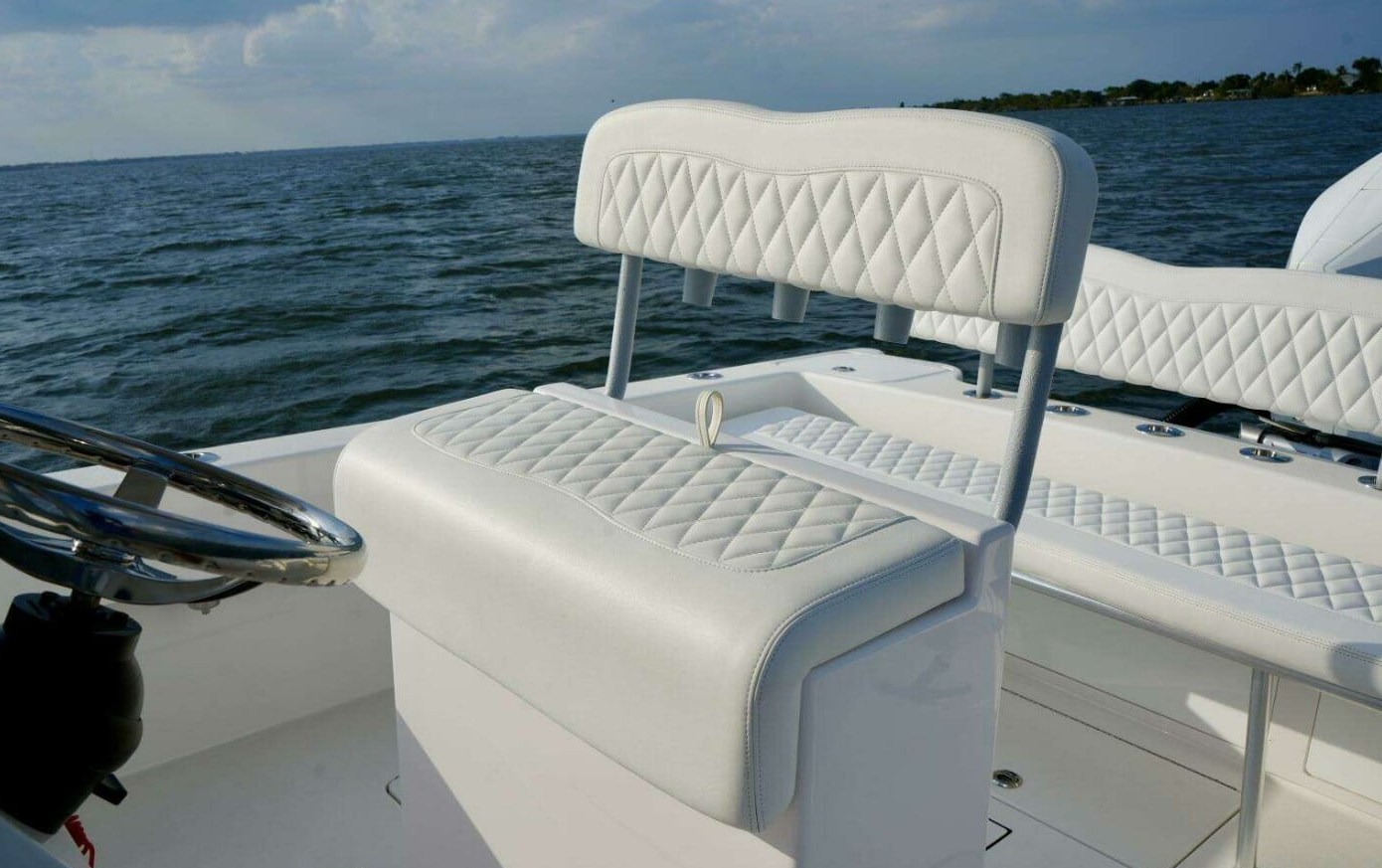
Decorative stitching can now play an important visual role.
Contrast thread can highlight individual panels and emphasize the shape of cushions. More elaborate patterns can create a premium appearance, particularly on yacht seating.
However, restraint often produces the strongest result.
A few carefully selected details can create a refined interior without making the design feel excessive.
Outdoor Seating Requires Special Consideration
Exterior seating experiences the greatest environmental exposure.
Cockpit and bow cushions may remain in direct sunlight for much of the day. Helm seats also experience repeated use and constant movement.
These areas need materials that can tolerate demanding conditions.
A suitable boat upholstery material can help protect exposed seating, while fitted covers can provide additional protection when the vessel remains unused.
Maintenance Influences Long Term Appearance
Even premium materials need proper care.
Salt, sunscreen, food, drinks, and dirt can accumulate during ordinary trips. Removing these contaminants regularly can help maintain the surface.
Owners should develop simple habits such as:
- Wiping seats after outings
- Removing salt residue
- Cleaning spills promptly
- Drying wet cushions completely
- Checking seams and piping
- Following manufacturer care instructions
Regular maintenance can extend the useful life of marine upholstery.
Restoration Can Reinvent an Older Boat
A dated interior does not necessarily require a new vessel.
Reupholstery can change the atmosphere of an older boat while preserving its existing layout. Owners can replace worn surfaces, improve cushioning, and introduce a completely different color scheme.
A new boat upholstery material can become the starting point for this transformation.
Even subtle changes can make the interior feel considerably newer.
Sustainable Thinking Is Entering Marine Design
Material selection is also becoming connected with broader questions about longevity.
Choosing durable products can reduce the need for frequent replacement. When seating remains functional and attractive for longer, owners may avoid unnecessary restoration cycles.
Long term performance therefore has an environmental dimension as well as a financial one.
Durability, repairability, and responsible maintenance can all contribute to a more sustainable approach to marine interiors.
The Best Trends Combine Style and Function
The strongest marine design ideas rarely focus on appearance alone.
Modern interiors work best when color, texture, comfort, durability, and maintenance requirements support one another.
A sophisticated boat interior should feel good, look appropriate for the vessel, and remain practical after repeated exposure to the marine environment.
That balance is what turns a simple upholstery project into a meaningful interior upgrade.
Final Thoughts
Marine upholstery continues to evolve as boat owners become more interested in personalized design and long term performance. New textures, neutral palettes, two tone layouts, decorative stitching, and improved materials are giving vessels more distinctive interiors.
Choosing the right boat upholstery material can influence everything from comfort and maintenance to the overall visual identity of a boat. When owners combine suitable materials with quality cushioning, thoughtful design, professional installation, and consistent care, marine seating can remain attractive and functional for many seasons.
More interesting articles you can explore here.